
Laura Appleton, LMHC (she/her)
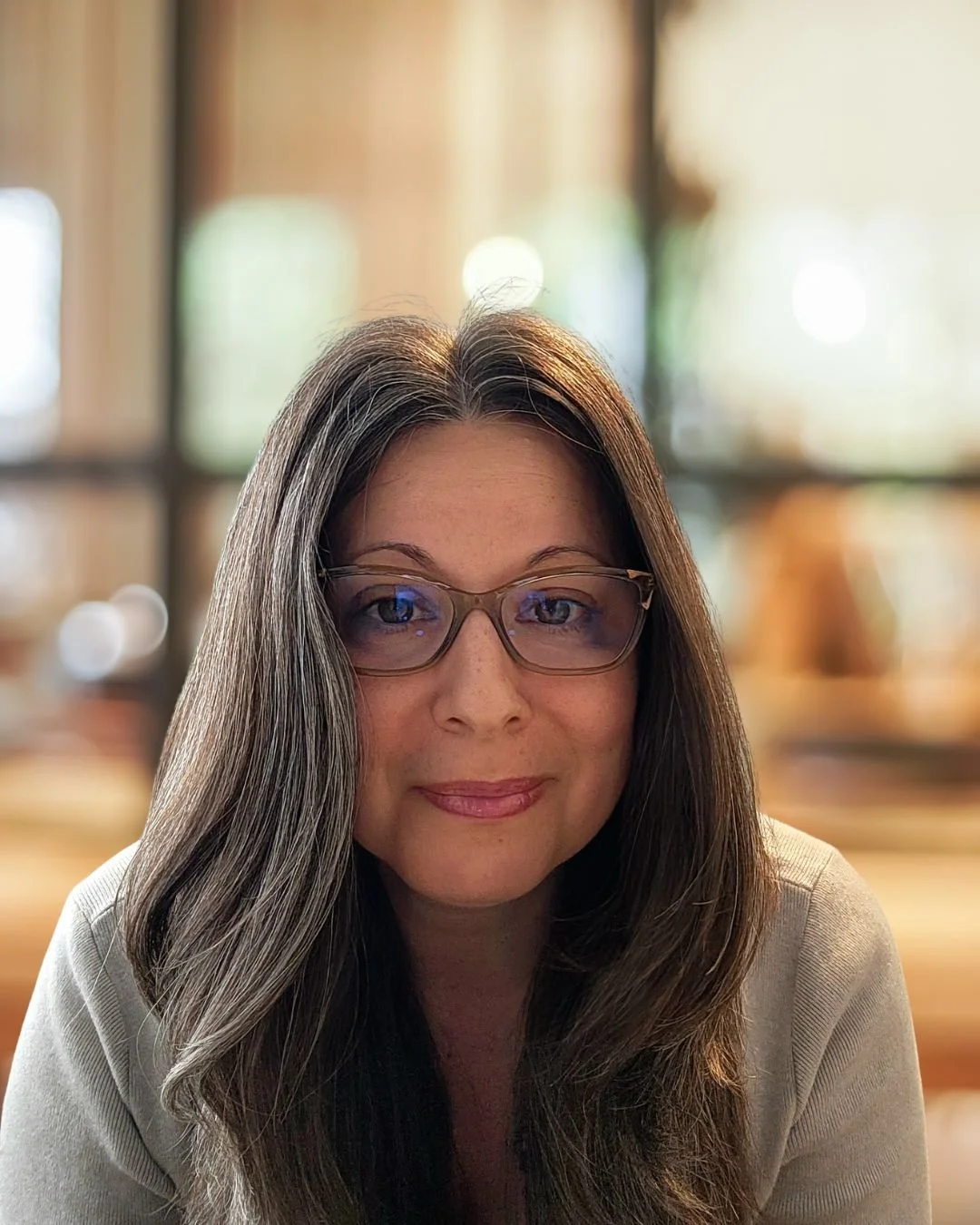
“Keep some room in your heart for the unimaginable.”— Mary Oliver
Before becoming a therapist, I spent over 15 years working in the biotech and pharmaceutical industry. That experience still shapes how I see mental health. I value science, understand the biology of stress and the nervous system, and appreciate how our environments influence both our physical and emotional well-being.
At the same time, I've always been drawn to the deeper questions. What shapes the way we move through the world? How do our experiences become the patterns we live from? What happens when those patterns no longer fit the life we're trying to create? And what becomes possible when we begin to see ourselves with greater curiosity and compassion?
Like many of the women I work with, I've found myself drawn to both science and experiences that feel meaningful, intuitive, and sometimes difficult to explain. Along the way, I became a Reiki Master, Licensed Massage Therapist, and Certified Polarity Practitioner – not because I was looking for alternatives to science, but because I was curious about all the different ways people heal, grow, and reconnect with themselves.
Today, those experiences come together in the way I practice therapy. I don't see science and intuition as opposites. I see them as different ways of understanding the same human experience.
How I Work
I don't believe you're broken.
I believe your mind, body, and nervous system adapted in ways that made sense based on what you've lived through. Even the patterns that leave you feeling anxious, overwhelmed, disconnected, or stuck often began as intelligent ways of helping you survive.
Rather than trying to fight those patterns, we'll become curious about them together.
We'll explore where they came from, how they've been trying to protect you, what keeps them going today, and whether they're still serving the life you're trying to create. As those patterns become easier to recognize, they often become easier to relate to with compassion instead of self-criticism.
For me, therapy isn't about becoming someone different.
It's about helping you understand yourself well enough that change begins to happen from a place of awareness rather than struggle – so you can feel more grounded, more connected, and more at home within yourself.
In Session
I think therapy works best when it feels like a genuine conversation rather than a series of techniques.
Some days we'll explore the thoughts, emotions, and patterns showing up in your daily life. Other days we'll slow things down and pay attention to what's happening in your body, your nervous system, or your relationships. Rather than searching for quick answers, we'll follow what feels most meaningful and become curious about what your experience might be trying to show us.
When it feels helpful, we may also use tools such as journaling, mindfulness, body awareness practices, or tarot and oracle cards. The cards aren't used to predict the future – they’re symbolic tools that can help us notice patterns, explore different perspectives, and access insights that are sometimes difficult to reach through conversation alone.
Every session is collaborative. We'll work together to find an approach that feels supportive, respectful, and authentic to you.
Inclusivity
I am committed to providing an inclusive, affirming space for people of all identities, including LGBTQIA2S+ individuals and those from diverse cultural, racial, and spiritual backgrounds. This work is grounded in respect, curiosity, and an awareness of how larger systems and lived experiences shape mental health.
Above all, I want therapy to be a place where you feel safe enough to be fully yourself – without needing to have everything figured out before you walk through the door.